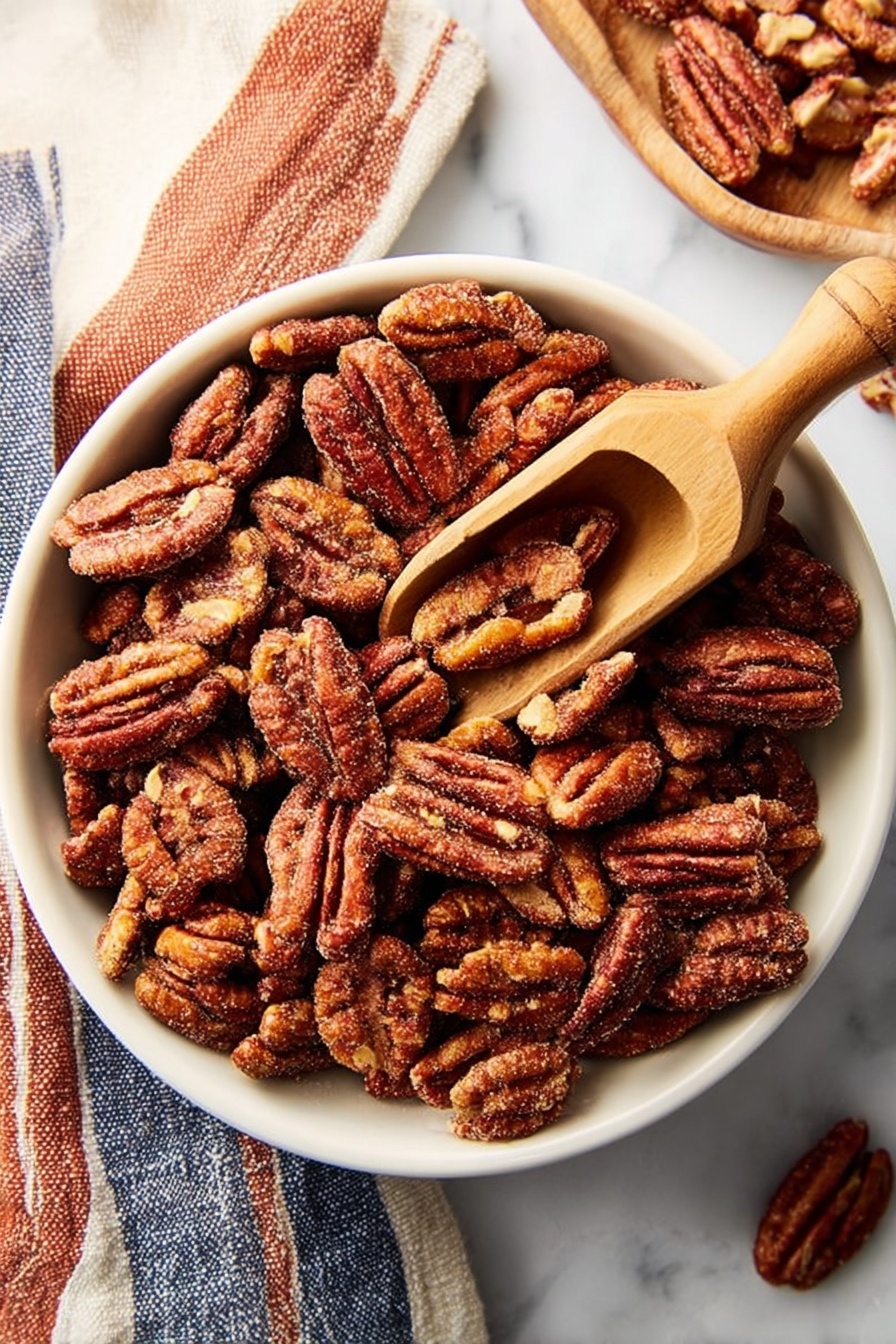
Master Crunchy Candied Pecans: Essential Simmering & Cooling Tips
There’s something undeniably enchanting about perfectly crunchy candied pecans. They offer a delightful symphony of sweet and nutty flavors, enveloped in a glistening, caramelized coating that shatters with every bite. More than just a simple snack, these irresistible nuggets elevate everything from mundane salads to decadent desserts and make for thoughtful, homemade gifts. While the concept of making candied pecans might seem straightforward, achieving that ideal crisp texture and exquisite flavor hinges on two critical steps: precise simmering and patient cooling. This comprehensive guide will walk you through the nuances of these stages, ensuring your homemade candied pecans are nothing short of perfection.
The Foundation: Selecting and Preparing Your Pecans
Before you even think about sugar and heat, the journey to exceptional candied pecans begins with the nuts themselves. Quality ingredients are paramount, and this holds especially true for pecans.
- Freshness is Key: Many home cooks overlook the fact that nuts, like other perishable goods, can go rancid if stored improperly or for too long. Rancid pecans have an off, bitter taste that even the sweetest sugar coating can't mask. Always smell your pecans before using them – they should have a sweet, buttery aroma. If they smell stale, bitter, or like paint, they've likely gone bad. A quick taste test will confirm their freshness.
- Optimal Storage: To maximize their shelf life and preserve their natural oils, store pecans in an airtight container in the freezer. This simple step prevents them from oxidizing and keeps them fresh for months, ensuring you always have prime nuts ready for candying. While some recipes suggest toasting pecans before candying, for this stove-top method, starting with raw pecans allows them to absorb the sugar mixture more effectively during simmering.
The Art of Simmering: Achieving the Perfect Glaze
This is arguably the most crucial step, where liquid sugar transforms into a glorious, crunchy coating. The balance between dissolving the sugar, coating the nuts, and allowing the water to evaporate is delicate but entirely achievable with attention to detail.
Understanding the Sugar Transformation
When you combine sugar and water in a skillet, you're essentially creating a sugar syrup. As this syrup heats and simmers, the water evaporates, concentrating the sugar. When the concentration reaches a certain point, and you introduce the pecans, the sugar adheres to their surfaces. Continued simmering allows the remaining water to evaporate, and the sugar to crystallize and caramelize slightly, forming that signature glossy shell.
The Sweet Spot: Timing is Everything
The biggest challenge in this stage is knowing precisely when to remove your candied pecans from the heat. This "sweet spot" is what separates perfectly crunchy nuts from either soft, undercooked ones or overly hard, unpleasantly chewy ones.
- Too Short: If you take the pecans off the heat too soon, there won't be enough water evaporation. The sugar coating will be sticky, not crunchy, and the pecans might clump together rather than separating beautifully. The glossy sheen won't have fully developed.
- Too Long: Conversely, simmering for too long can lead to over-crystallization and even burning. The sugar can become excessively hard, resembling hard candy, making the pecans difficult to chew. The sugar might also take on a dark, bitter caramel flavor.
- The Ideal Visual Cues: Aim for approximately 5-7 minutes of simmering after the mixture comes to a boil, though exact times can vary based on heat intensity and pan type. You'll know they're ready when the liquid has visibly reduced, the sugar has formed a shiny, even coating on each pecan, and it appears to be completely absorbed or crystallized around the nuts. The pecans should look distinctly glossy and coated, with very little free liquid remaining in the pan. Don't wait until the sugar is completely dry and powdery in the pan; it will continue to set as it cools.
Troubleshooting Common Simmering Issues
Even seasoned cooks encounter challenges. Here's how to navigate common pitfalls:
- Grainy Sugar: Sometimes, the sugar mixture can become thick and grainy before fully coating the nuts. This often happens if the heat is too high, or not enough water was initially used, causing the sugar to crystallize prematurely. Don't panic! Add a teaspoon or two of water to the skillet, reduce the heat slightly, and continue stirring. The added moisture will help the sugar re-dissolve, allowing it to coat the pecans smoothly and evenly. Keep stirring until the desired glossy coating is achieved.
- Uneven Coating: Consistent stirring throughout the simmering process is vital. This ensures every pecan gets an even share of the sugar mixture, preventing some from being undercoated and others overloaded. Use a heat-resistant spatula or wooden spoon to continuously fold and toss the pecans in the simmering sugar.
- Enhancing Flavor: While sugar and water form the basic coating, this stage is also prime for introducing additional flavors. A pinch of salt perfectly balances the sweetness. For warmth, a dash of ground cinnamon or a touch of vanilla extract works wonders. For a brighter note, a little orange zest can elevate the profile significantly, as suggested in some recipes. These additions should be stirred in with the sugar and water at the beginning of the simmering process.
By mastering this simmering technique, you'll ensure your pecans develop that irresistible, shiny, and perfectly crunchy coating. For more detailed guidance on achieving that perfect crunch every time, explore our dedicated guide: Unlock Perfectly Crunchy Candied Pecans: Your 10-Minute Guide.
The Crucial Cooling Phase: From Glossy to Crunchy
You've successfully simmered your pecans to a glistening perfection. Now comes the equally vital, though passive, step of cooling. This isn't just about letting them cool down; it's about solidifying the sugar coating and preventing them from clumping.
Why Cooling is Non-Negotiable
The heat from the skillet keeps the sugar coating in a pliable, slightly liquid state. As the pecans cool, the sugar rapidly hardens and crystallizes around each nut. This hardening process is what creates that delightful, crunchy crust. Skipping or rushing this step will result in soft, sticky pecans that lack the desired texture.
Best Practices for Cooling
- Immediate Separation: As soon as you remove the pecans from the heat, transfer them immediately to a prepared surface. A baking sheet lined with parchment paper or a silicone baking mat is ideal. These non-stick surfaces prevent the cooling sugar from sticking, making for easy removal.
- Spread Them Out: Don't leave the pecans in a pile. Use your spatula or a fork to quickly spread them into a single layer. This allows for even air circulation around each nut, facilitating faster and more uniform cooling. It also prevents them from sticking together in large clumps, ensuring individual, perfectly coated pieces.
- Patience is a Virtue: The hardest part of the cooling phase might be resisting the urge to snatch a warm pecan! However, it's crucial to let them cool completely, which typically takes about 15-30 minutes, depending on ambient temperature and humidity. As they cool, you'll observe the glossy coating transforming into a hard, opaque, and incredibly crunchy shell. Trying them too early will yield a chewy, rather than crunchy, experience.
- Environmental Factors: High humidity can sometimes affect the hardening process, making the sugar coating slightly tacky. If you live in a very humid environment, consider cooling them in a drier, air-conditioned room, or even briefly in the refrigerator (though room temperature is usually sufficient).
Beyond the Basics: Storage, Enjoyment, and Gifting
Once your candied pecans have cooled and reached peak crunchiness, the possibilities are endless.
Optimal Storage for Lasting Freshness
To preserve their delightful crunch, proper storage is key:
- Room Temperature: Candied pecans will maintain their quality at room temperature for up to one week when stored in an airtight container. Keep them away from direct sunlight or excessive heat.
- Freezing for Longevity: For extended freshness, candied pecans freeze beautifully. Spread them in a single layer on a baking sheet and freeze overnight until solid. Then, transfer them to a zip-top freezer bag or an airtight container, ensuring as much air is removed as possible. They can be frozen for up to two months. When ready to enjoy, simply thaw them in the refrigerator, or even at room temperature for a quick snack.
Versatile Uses for Your Crunchy Creations
While irresistible on their own as a simple snack, candied pecans are incredibly versatile:
- Elevate Salads: Add a sweet and crunchy counterpoint to savory greens, especially those with goat cheese, apples, or berries.
- Dessert Topping: Sprinkle over ice cream sundaes, yogurt parfaits, oatmeal, or even incorporate into cookie and brownie batter for an added textural dimension.
- Baking Ingredient: Fold them into banana bread, muffins, or even a sophisticated pecan pie for an extra layer of flavor and crunch.
- Savory Pairings: They make a fantastic addition to cheeseboards, complementing various cheeses and charcuterie with their sweet crunch.
Thoughtful Gifting
Candied pecans make a truly wonderful homemade gift, especially during the holidays. Package them in an attractive airtight jar, tie a festive ribbon, and perhaps add a custom label with the ingredients and an "enjoy by" date (though we suspect they'll be devoured long before it arrives!). For more creative ideas on how to incorporate these delightful nuts into various dishes and gifting strategies, refer to our comprehensive guide: Candied Pecans for Gifting, Salads & More: Ultimate Uses Guide.
Mastering the art of candied pecans is a rewarding endeavor that yields a versatile and delicious treat. By paying close attention to the crucial simmering process – understanding when the sugar is perfectly glossy and the liquid has evaporated – and allowing ample time for the cooling phase to solidify that crunchy coating, you'll create candied pecans that are consistently perfect. So, gather your fresh pecans, embrace the process, and prepare to delight your taste buds and those of your loved ones with these truly irresistible sweet treats.
